Our Manufacturing Process
We don't outsource. We don't mass-produce.
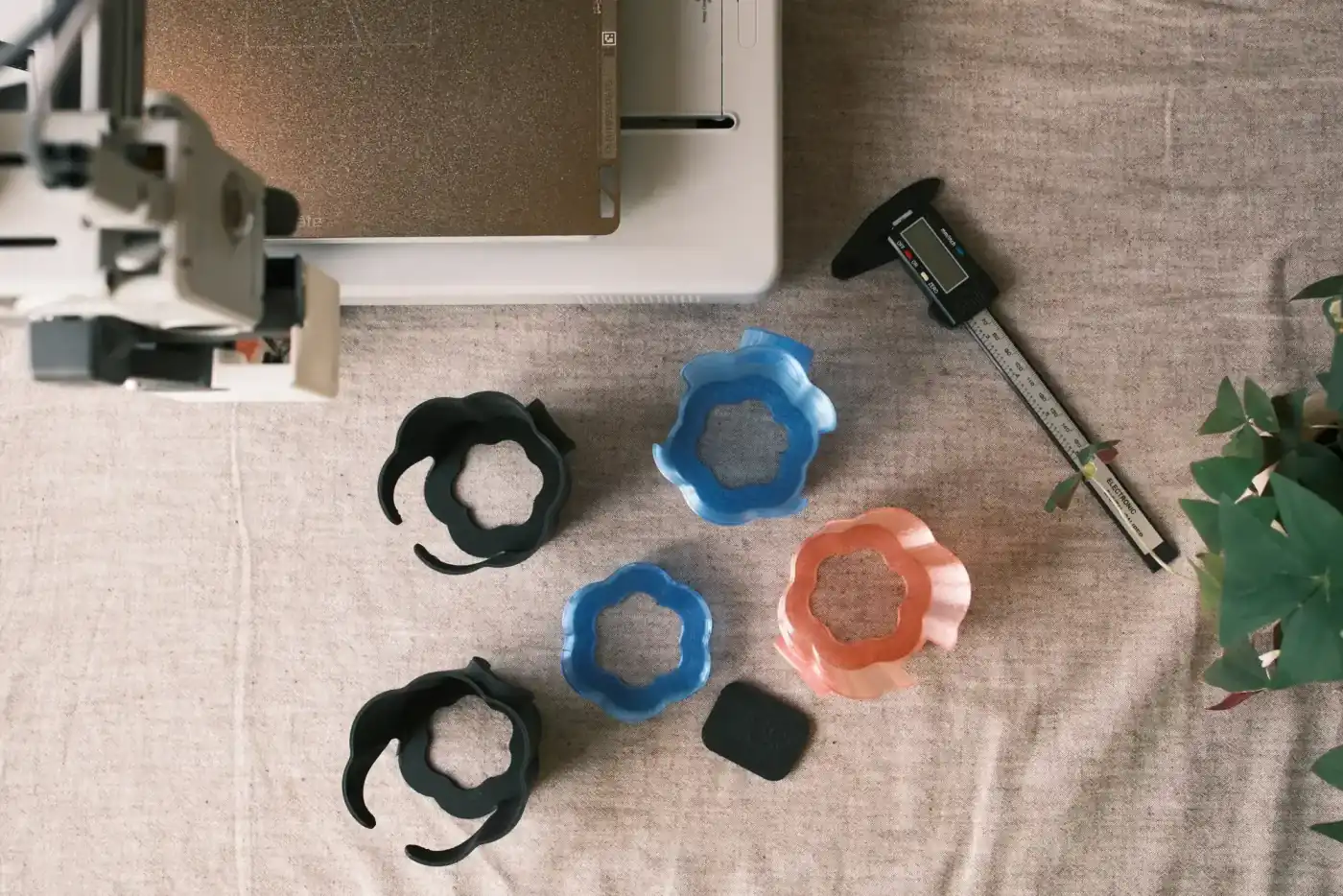
Human design. Built by bots.
Every Atelier Reel creation is printed, assembled, and shipped from our studio in Stockholm, Sweden — no middlemen, no factories, no overproduction. This is what we call hyper-local production.
Our method is additive manufacturing (3D printing), which means we build things up — layer by layer — rather than cutting things away or molding them from stock. Imagine a very controlled, very intentional hot glue gun drawing in three dimensions. Each layer builds on the last, until a full form emerges. That gives us precision, flexibility, and near-zero material waste.
Design Philosophy
- We design for 3D printing, and our forms celebrate the process that made them.
- We don't try to make our products look mass-produced. We embrace the qualities of this method to shape something different — something with rhythm, movement, and soul.
- We design with intention. Every curve, every texture, every layer has a reason to be there. No added fuss.
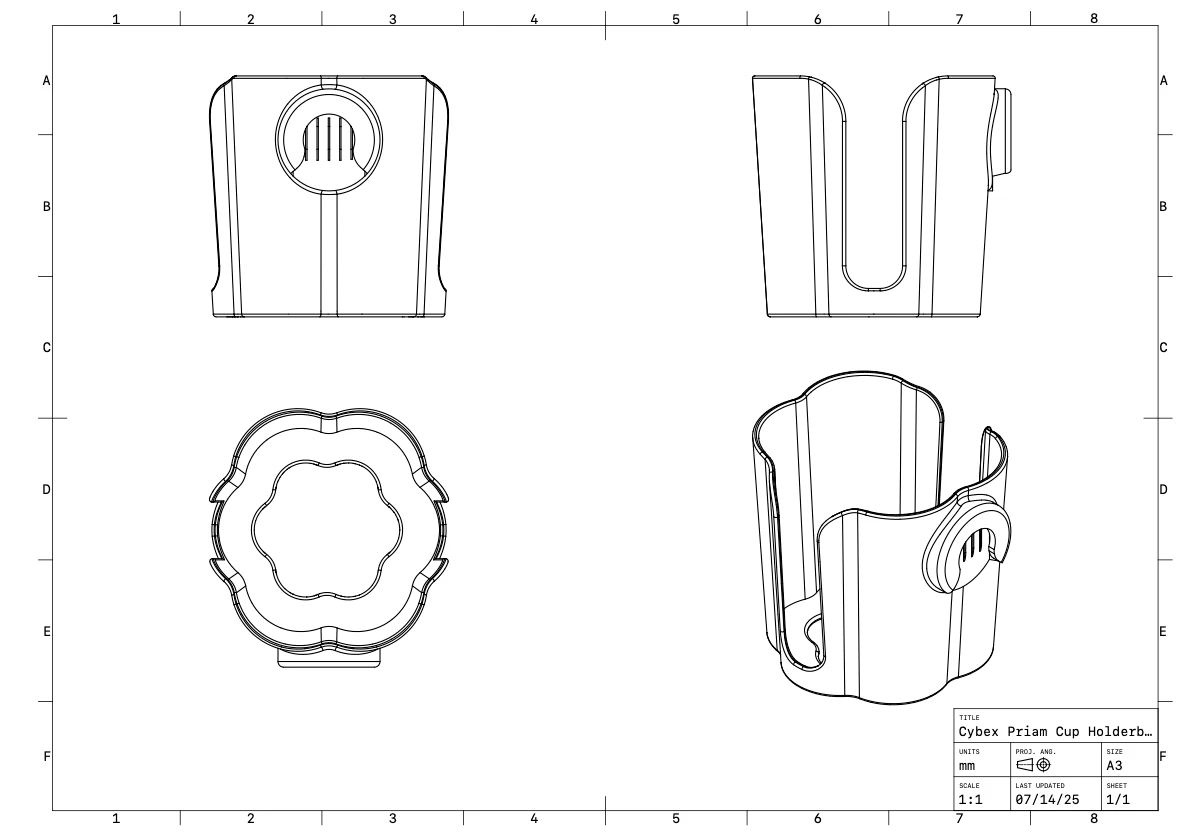
3D printing
3D printing, also known as additive manufacturing, is a modern method of creating physical objects by building them layer by layer. At Atelier Reel, it's not just a technique — it's the foundation of how we bring ideas to life with less waste, more intention, and a uniquely textured aesthetic.
Unlike traditional manufacturing, which often involves cutting away excess material or using expensive molds, 3D printing allows us to print exactly what we need — no more, no less.
How we use 3D Printing at Atelier Reel
- Rapidly prototype and improve designs
- Reduce material waste
- Avoid mass production and overstock
- Create complex, organic shapes that would be impossible with traditional molds
- Bring new objects into the world more responsibly and efficiently
Why 3D printing matters
- Less environmental impact (no mass production, less shipping, reduced waste)
- Faster, more responsive production (we tweak, print, test, and iterate instantly)
- More design freedom (print any shape, curve, or texture we imagine)
- Hyper-local manufacturing (enabled small-batch, on-demand production)
Fun fact: A short history of 3D printing
At Atelier Reel, we're proud to be part of that legacy: using the power of accessible design to craft small-batch, meaningful objects to enrich everyday life.
Materials
We 3D print all our designs using PLA and PETG filaments — both known for their strength, versatility, and lower environmental impact compared to traditional plastics. Read more about our material choices.
Wherever possible, we choose recycled versions of these materials. They offer the same high performance, with a much smaller footprint.
We wrote about our material choices in detail: PLA vs PETG: How We Choose.
Because some forms or finishes require different technical qualities, we sometimes use a mix of both recycled and virgin (non-recycled) filaments, depending on what's best for the design. But sustainability is always part of the decision.
PLA
- 🌽 Plant-derived (our batch is corn-based)
- ♻️ Recycled and recyclable
- ⚡ Uses significantly less energy than petroleum-based plastics
- 🍂 Biodegradable via composting or incineration
- 🌾 Can be blended with materials like wood or coffee grounds for unique finishes
PETG
- 🔄 Recyclable and often made from recycled post-consumer plastic
- 🧪 Glycol-modified to reduce clouding and overheating during printing
- 💪 Great for strong structural elements and precise detail
- 🦄 Magical glass-like translucent capabilities for a beautiful object
Why we still use some non-recycled filament
Atelier Reel exists at the intersection of sustainability and design — and that includes being transparent about where we are, and where we're going.